
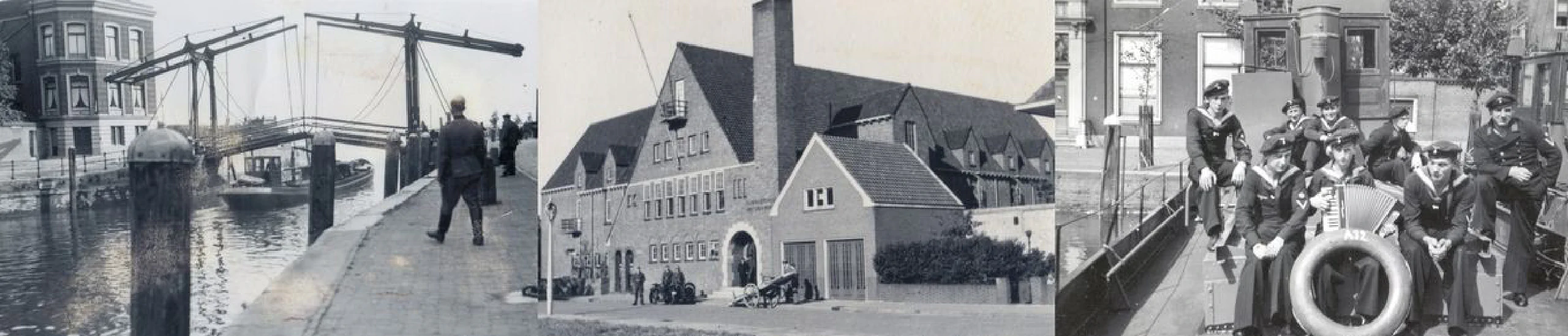
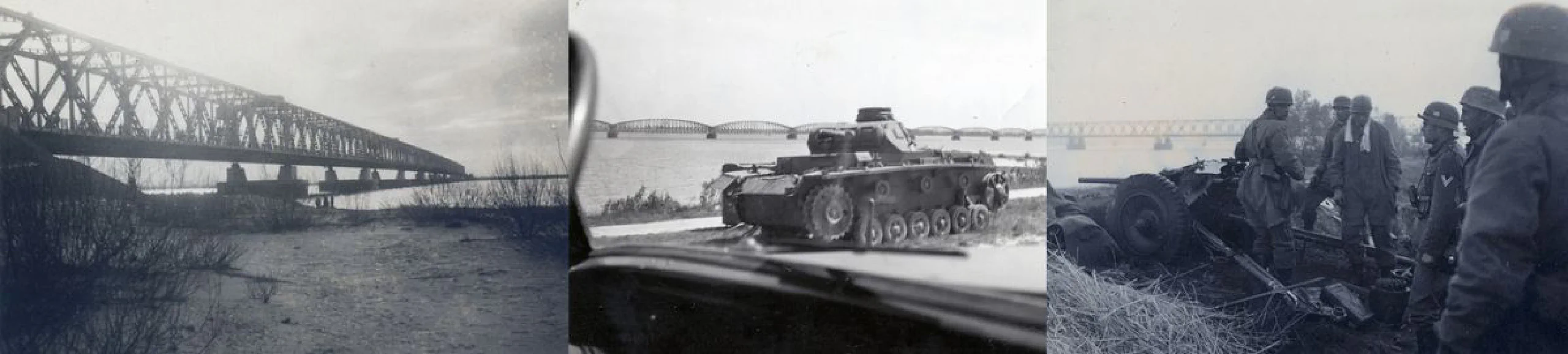
River casemates I and II at Willemsdorp.
Because we now have a considerable number of photographs of River Casemate II at Willemsdorp in the collection, and because the casemate has an extensive history, it has been decided to create a separate page dedicated specifically to River Casemate II. Since the most important part of this bunker’s history took place during the May days of 1940, this page has been placed under the “May 1940” section. Not all photographs were necessarily taken in May 1940. However, because all images carry captions from II/Fallschirmjäger Regiment 1, it is likely that they were taken shortly after May 1940.
If, in the future, photographs of River Casemate I or other fortifications at Willemsdorp and Moerdijk are added to the collection (we are still searching for these), they will also be placed here.
In the mid‑1930s, the Netherlands began to realize that Europe might be heading toward another war, and that the country might not be able to remain neutral this time. Mobilization was declared, and fortifications and bunkers were constructed across the country to withstand a possible German attack. This was also the case at the Moerdijk bridges, the most important connection between the provinces of Holland and North Brabant. At Willemsdorp, two River Casemates of Type B were built in 1936, with their firing ports aimed at the two bridges.
River Casemate I was built near the railway line and covered the railway bridge. River Casemate II was constructed next to the approach ramp of the road bridge and was therefore aimed at the road bridge. Both bunkers were armed with a 5‑cm No. 2 gun and a heavy machine gun — a considerable amount of firepower. The only disadvantage, which would later prove fatal, was that the firing ports were aimed at the bridges, leaving almost no ability to fire in the direction of Willemsdorp. Since the Dutch did not yet understand the deployment and impact of paratroopers, and expected the enemy to approach from Germany via North Brabant, this design choice was not entirely illogical. 1
The garrisons of both river casemates were manned in May 1940 by units of the Politietroepen (Police Troops), who operated the 5‑cm No. 2 guns. The heavy machine guns were operated by soldiers of the machine‑gun section of the 3rd Border Battalion (together forming one section of MC‑3GB). On 10 May, the casemate did not only house its crew: inside were also the detonation cords for blowing up the road bridge and a reserve stock of 1,250 kg of explosives. Although the bridges had been prepared with explosive charges, they had not been armed. Again, this was based on the assumption that the enemy would come from Germany, giving the Dutch enough time to destroy the bridge. Paratroopers were not taken into account. 2
On the morning of 10 May 1940, River Casemate II was under the command of Sergeant‑Major Instructor Van Almkerk of the Politietroepen. From here, with the 5‑cm gun and machine guns, fire was directed at the German paratroopers attempting to capture the bridge. The German paratroopers managed to reach the bunker via the water and demanded the Dutch garrison’s surrender. It became painfully clear that firing ports at the rear of the bunker would have been very welcome. The Dutch did not surrender without resistance. The Germans threatened to blow up the bunker, but the defenders continued fighting. The paratroopers attempted to smoke out the Dutch through the ventilation pipes, but this failed because the defenders put on their gas masks. The Germans then blew the door out of its frame and threw hand grenades inside. Knowing that 1,250 kg of explosives were stored in the bunker, Sergeant‑Major Van Almkerk decided to surrender with his men.
In the various photographs of River Casemate II in the collection, you can see that the Fallschirmjäger of the 2nd Battalion of FJR 1 left their mark.
River Casemate I River Casemate Willemsdorp I, shown in the photograph below, was likewise built in 1936. Just like River Casemate II, it was a Type B river casemate. Casemate I was located directly beside the railway line and, at the moment of the German invasion, was manned by five men under the command of Corporal Kwak of the Politietroepen (Police Troops).
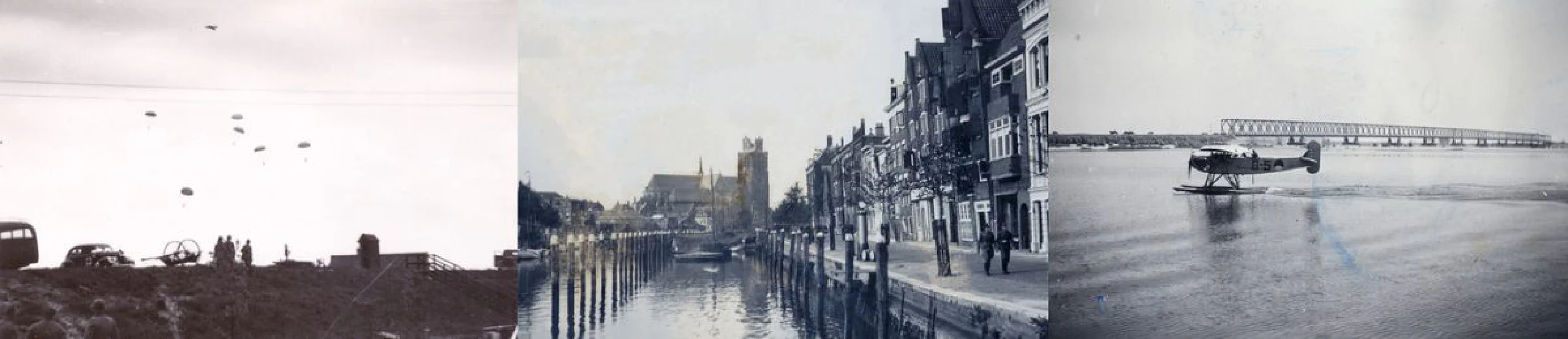
Because the casemate lay directly next to the landing area of the German paratroopers, and because its firing ports were aimed along the railway line, it was nearly impossible for the Dutch garrison to deliver effective fire on the paratroopers who had approached from outside the dike, beyond the casemate’s field of fire, and had come within close range. The German paratroopers were therefore able to direct effective fire at the firing ports, forcing the Dutch crew down to the ground floor. Hand grenades were thrown inside through the firing ports, but without effect.
Meanwhile, the Germans had captured two families belonging to two employees of the Dutch Railways (NS), both of whom lived in houses near the signal and guard post. The two families had taken shelter in the air‑raid shelter belonging to the signalman’s house. The sixteen‑year‑old son of one of the families — the Huisman family — was taken by a German non‑commissioned officer to the rear door of the casemate, where a pistol was pressed against his stomach. Under threat, the boy was forced to call upon the Dutch garrison to surrender.
Because the defenders knew the boy well, they saw no other choice but to comply. As a result of this incident, the casemate beside the railway line was neutralized with relative ease.
18. River Casemate II photographed from the rear.
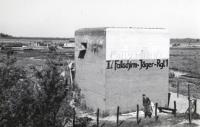
1. The Dutch River Casemate II in Willemsdorp during the Second World War.
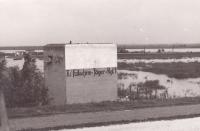
2. The Dutch River Casemate II in Willemsdorp during the Second World War..
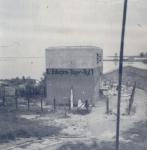
3. River Casemate II at Willemsdorp by the water..
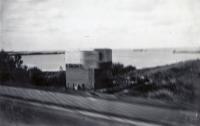
4. River Casemate II from the approach ramp in Willemsdorp during the Second World War.
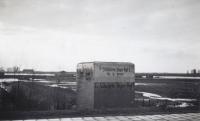
5. River Casemate II in Willemsdorp during the Second World War..
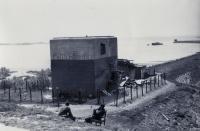
6. River Casemate II in Willemsdorp during the Second World War.
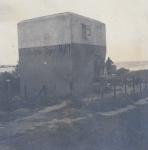
7. River Casemate II in Willemsdorp during the Second World War.
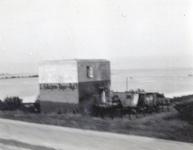
8. River Casemate II in Willemsdorp during the Second World War.
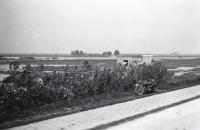
9. White flag at River Casemate II in Willemsdorp during the Second World War.
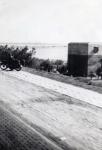
10. River Casemate II from the opposite angle in Willemsdorp during the Second World War.
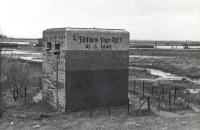
11. River Casemate II in Willemsdorp during the Second World War..
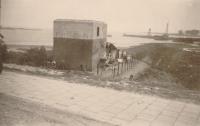
12. River Casemate II in Willemsdorp during the Second World War.
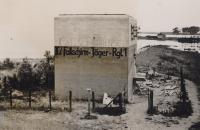
13. River Casemate II in Willemsdorp during the Second World War.
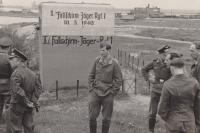
14. Luftwaffe soldiers at River Casemate II in Willemsdorp.
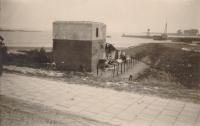
15. River Casemate II in Willemsdorp during the Second World War.
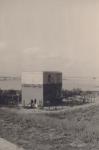
16. Rivercasemate II in Willemsdorp after the May days of 1940.
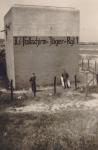
17. River Casemate II in Willemsdorp after the May 1940.
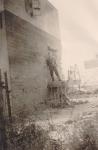
19. River Casemate II photographed from the rear.
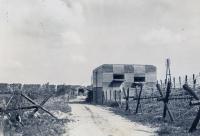
20. River Casemate I in Willemsdorp near the railway line during the Second World War..
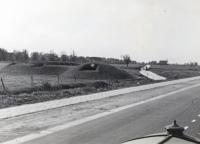
21. Dutch earthen bunker in Willemsdorp during the Second World War..