
Kriegsmarine fotoalbum Dordrecht
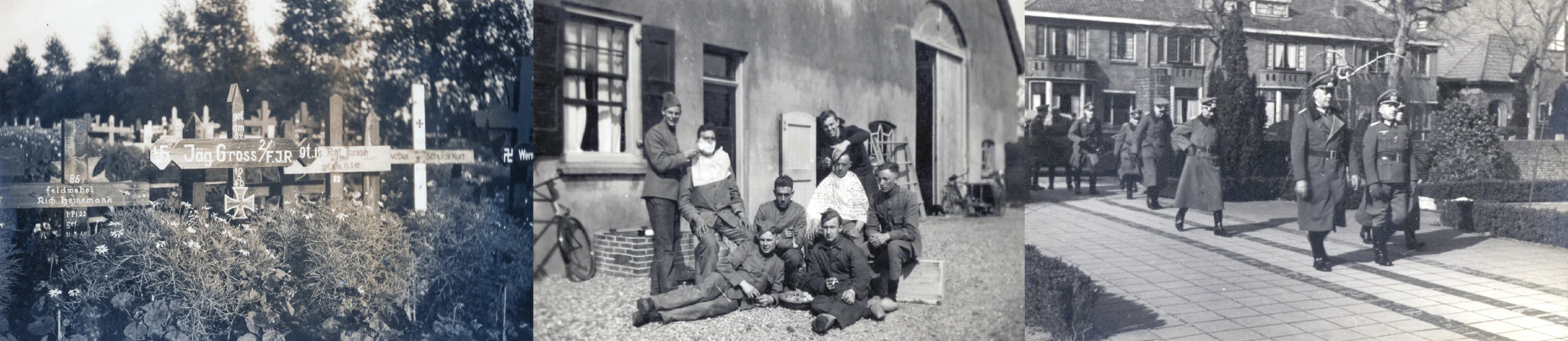
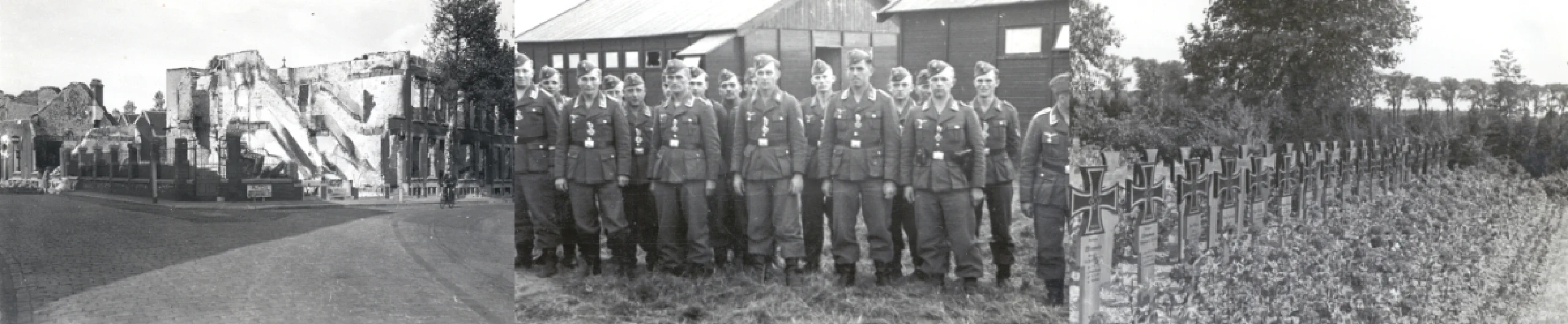
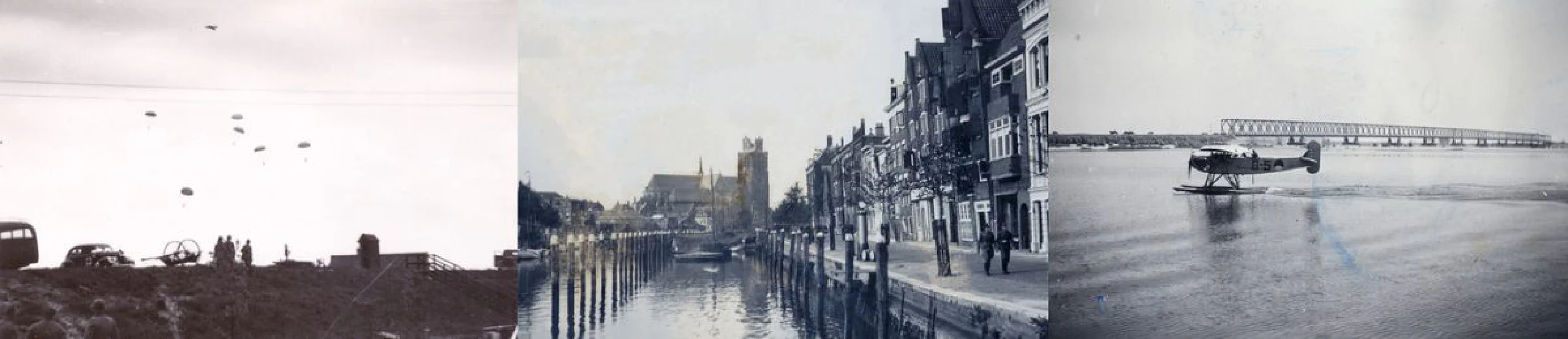
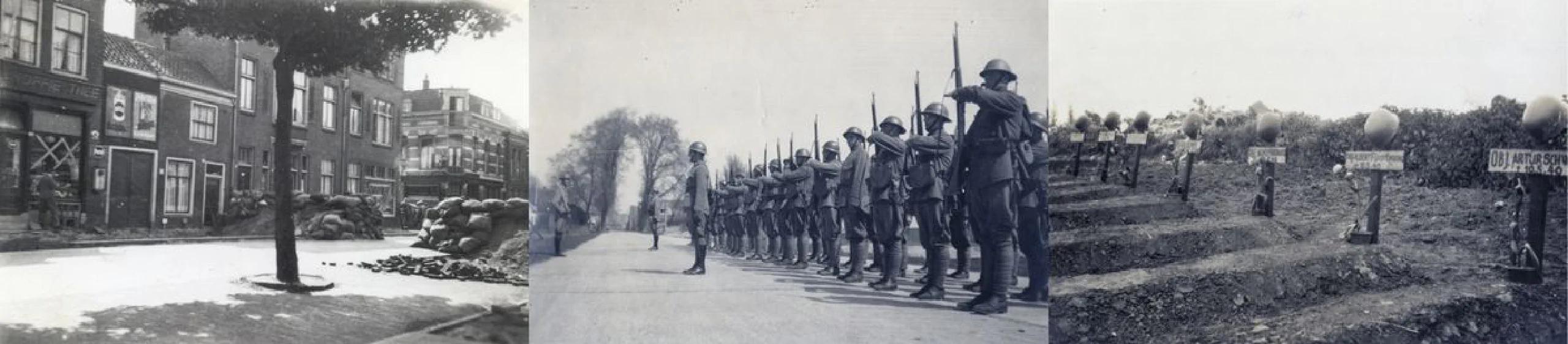
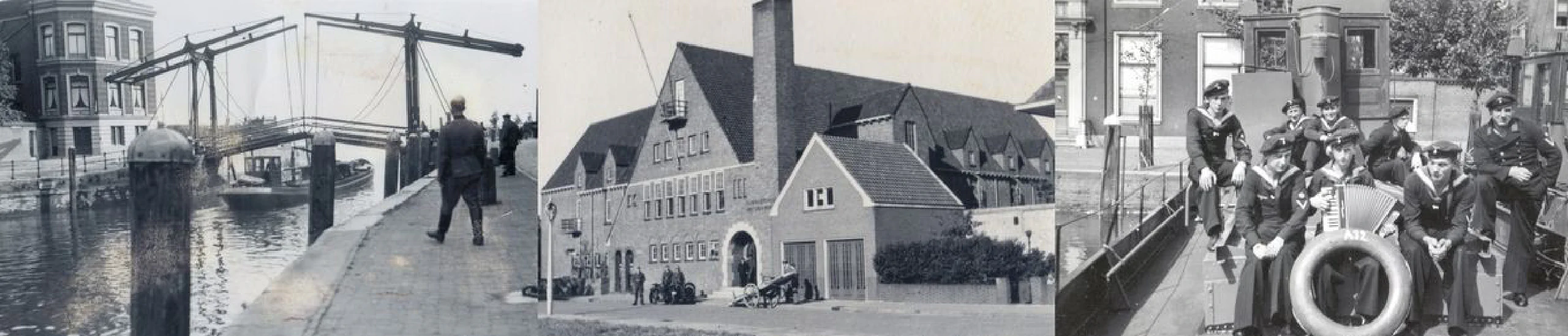
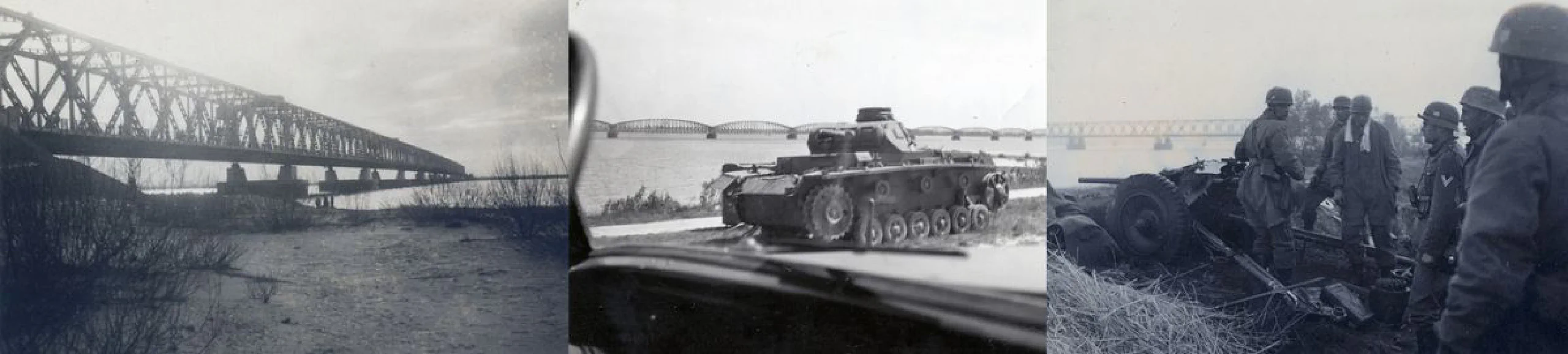
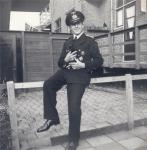
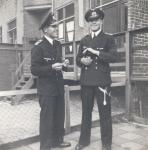
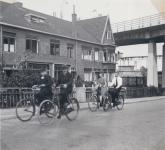
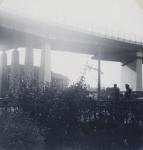
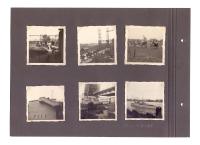
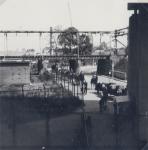
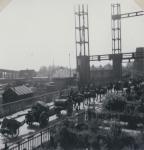
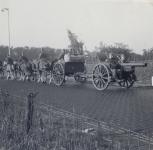
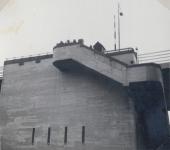
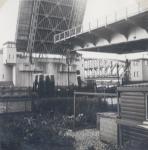
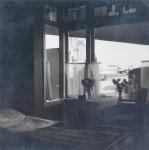
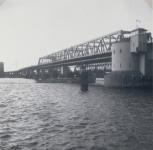
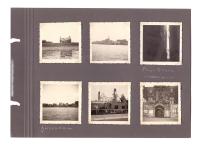
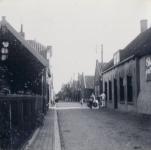
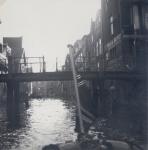
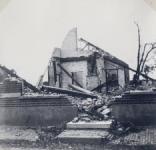
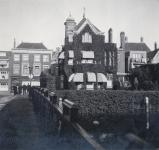
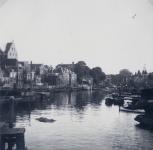
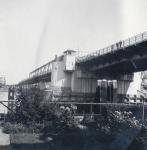
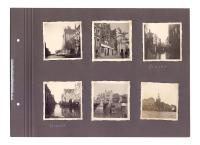
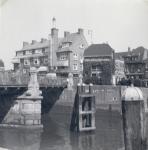
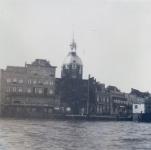
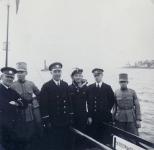
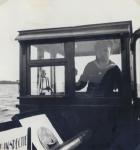
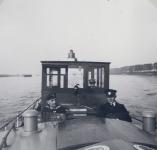
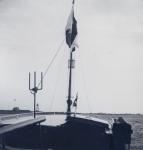
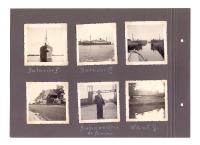
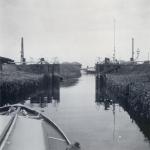
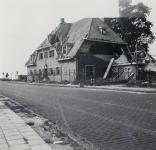
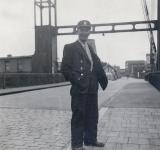
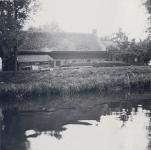
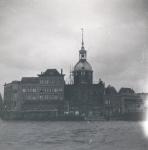
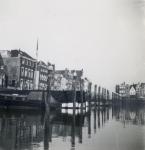
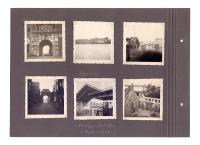
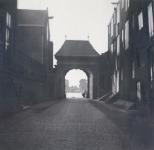
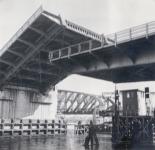
Below you will find the remains of a photo album belonging to a German Kriegsmarine serviceman. The album is no longer complete, but the photographs are still in their original places. Most of the photos were taken in Dordrecht and show a wide variety of subjects. Some are military in nature, but many are atmospheric snapshots of Dordrecht. These images clearly show that the maker had great appreciation for the city, as the album is filled with everyday scenes of Dordrecht and its surroundings.
There is no date in the album, but the photographs were likely taken shortly after the fighting in May 1940. Several photos still show visible war damage, suggesting that most images were taken sometime between May and June 1940, and in any case no later than August 1940.
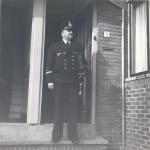
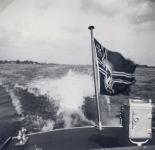
One of the photographs shows that this Kriegsmarine serviceman was quartered in a residential house on the Dokweg. In one photo it is clearly visible that this is the current number 17, with a Reichskriegsfahne hanging above the door. Another photo shows a Reichskriegsfahne hanging at the rear of the corner house. Yet another image shows a Kriegsmarine officer standing in the doorway at number
- This corresponds to the current number 7, the house on the corner. It is possible that the entire row of houses was used by the Kriegsmarine. It is not certain which Kriegsmarine unit was stationed here, but it was likely a unit belonging to the Hafenschutz‑Flottille Südholland.1
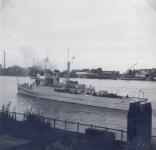
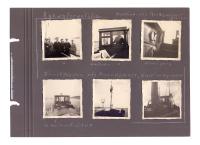
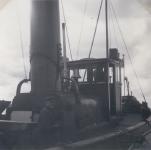
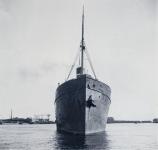
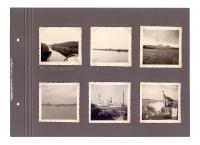
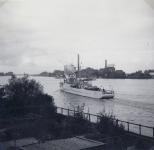
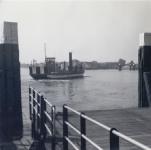
Several photos also show requisitioned vessels. The first is a minesweeper — a Dutch one in this case. It concerns the Hr.Ms. Abraham van der Hulst (II), a minesweeper of the Jan van Amstel class and the second ship to bear this name. It was built at the P. Smit shipyard in Rotterdam and was not yet completed during the German invasion. The Germans requisitioned the ship and finished its construction. It was transported to Emden on 30 August, where it received the designation M552. After December 1940 it was converted into a torpedo workshop ship. In August 1944 it was assigned to the 27th U‑Flotilla in Gotenhafen, which trained U‑boat crews. After the Second World War the ship was recovered and returned to the Royal Netherlands Navy.2
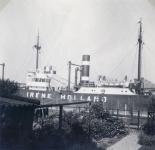
The second ship is the Irene Holland. This vessel was requisitioned in August 1940 by the Kriegsmarine Dienststelle Rotterdam to be used as a transport ship for Operation Sea Lion (the planned invasion of England). When the operation was cancelled, it became a Kanalinselversorger, supplying the German‑occupied Channel Islands. In June 1944 the ship ran aground during an Allied attack and was also damaged by a bomb. In 1945 it was towed to Amsterdam, where it was found to be beyond economical repair and was subsequently scrapped.3
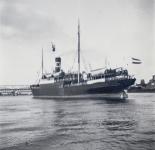
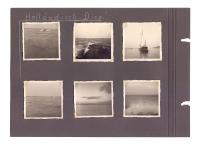
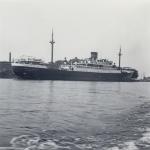
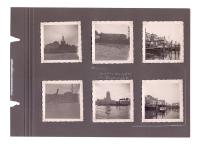
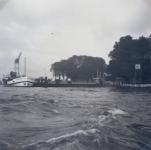
Another requisitioned vessel visible on album page six is the Batavier V (II). The ship was requisitioned by the Kriegsmarine in Rotterdam. Although initially used as an accommodation ship, it too was later deployed to supply the British Channel Islands. On 3 November 1941 the ship was torpedoed by a British motor torpedo boat, resulting in 13 casualties.4
The second ship photographed on this album page is the Batavier III. This vessel was requisitioned by the Kriegsmarine on 27 May 1940 and used as an accommodation ship for the crews of German torpedo boats in Waalhaven. On 1 January it was transferred to F. Laeisz in Hamburg and used as a Sicherheitsschiff. When it sailed under the German flag to Norway on 15 October 1942, it struck a mine in the Kattegat and sank, with all hands lost.5
By clicking on the photographs you can view an enlarged version with any accompanying text or explanation.
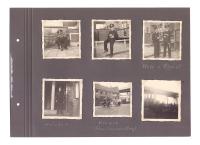
1 Kriegsmarine photoalbum Dordrecht
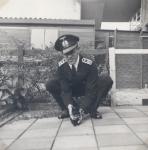
1.1 Kriegsmarine photoalbum Dordrecht.
1.2 Kriegsmarine photoalbum Dordrecht.
1.3 Kriegsmarine photoalbum Dordrecht.
1.4 Kriegsmarine photoalbum Dordrecht.
1.5 Kriegsmarine photoalbum Dordrecht.
1.6 Kriegsmarine photoalbum Dordrecht.
2 Kriegsmarine photoalbum Dordrecht.
2.1 Kriegsmarine photoalbum Dordrecht
2.2 Kriegsmarine photoalbum Dordrecht.
2.3 Kriegsmarine photoalbum Dordrecht.
2.4 Kriegsmarine photoalbum Dordrecht.
2.5 Kriegsmarine photoalbum Dordrecht.
2.6 Kriegsmarine photoalbum Dordrecht.
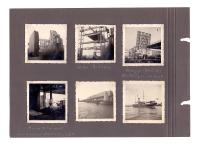
3.0 Kriegsmarine photoalbum Dordrecht.
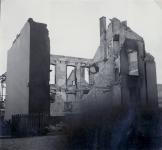
3.1 Kriegsmarine photoalbum Dordrecht.
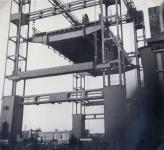
3.2 Kriegsmarine photoalbum Dordrecht.
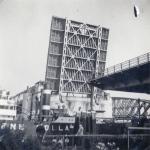
3.3 Kriegsmarine photoalbum Dordrecht.
3.4 Kriegsmarine photoalbum Dordrecht.
3.5 Kriegsmarine photoalbum Dordrecht..
3.6 Kriegsmarine photoalbum Dordrecht.
4 Kriegsmarine photoalbum Dordrecht.
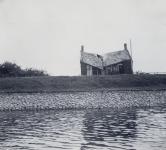
4.1 Kriegsmarine photoalbum Dordrecht.
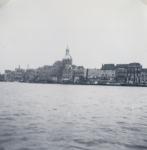
4.2 Kriegsmarine photoalbum Dordrecht.
4.3 Kriegsmarine photoalbum Dordrecht.
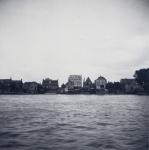
4.4 Kriegsmarine photoalbum Dordrecht.
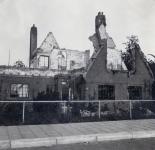
4.5 Kriegsmarine photoalbum Dordrecht.
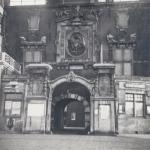
4.6 Kriegsmarine photoalbum Dordrecht.
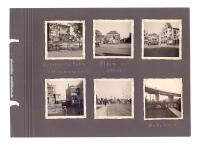
5 Kriegsmarine photoalbum Dordrecht.
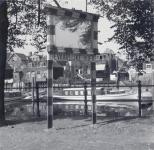
5.1 Kriegsmarine photoalbum Dordrecht.
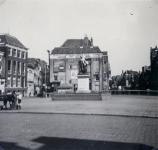
5.2 Kriegsmarine photoalbum Dordrecht.
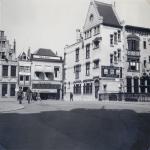
5.3 Kriegsmarine photoalbum Dordrecht.
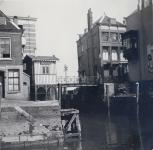
5.4 Kriegsmarine photoalbum Dordrecht.
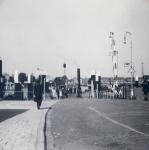
5.5 Kriegsmarine photoalbum Dordrecht.
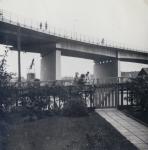
5.6 Kriegsmarine photoalbum Dordrecht.
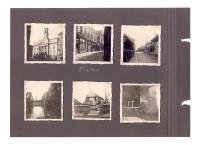
6 Kriegsmarine photoalbum Dordrecht.
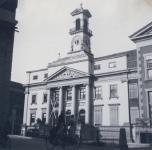
6.1 Kriegsmarine photoalbum Dordrecht.
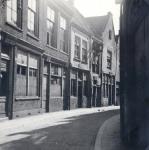
6.2 Kriegsmarine photoalbum Dordrecht.
6.3 Kriegsmarine photoalbum Dordrecht.
6.4 Kriegsmarine photoalbum Dordrecht.
6.5 Kriegsmarine photoalbum Dordrecht.
6.6 Kriegsmarine photoalbum Dordrecht.
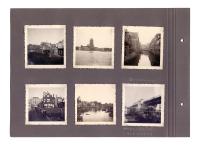
7 Kriegsmarine photoalbum Dordrecht.
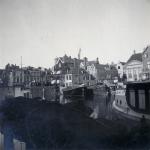
7.1 Kriegsmarine photoalbum Dordrecht.
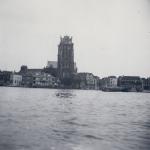
7.2 Kriegsmarine photoalbum Dordrecht.
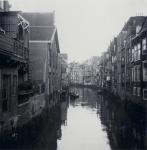
7.3 Kriegsmarine photoalbum Dordrecht.
7.4 Kriegsmarine photoalbum Dordrecht.
7.5 Kriegsmarine photoalbum Dordrecht.
7.6 Kriegsmarine photoalbum Dordrecht.
8 Kriegsmarine photoalbum Dordrecht.
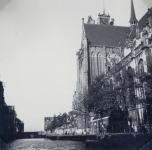
8.1 Kriegsmarine photoalbum Dordrecht.
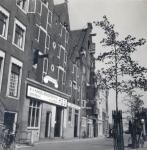
8.2 Kriegsmarine photoalbum Dordrecht.
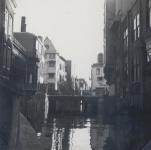
8.3 Kriegsmarine photoalbum Dordrecht.
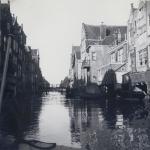
8.4 Kriegsmarine photoalbum Dordrecht.
8.5 Kriegsmarine photoalbum Dordrecht.
8.6 Kriegsmarine photoalbum Dordrecht.
9 Kriegsmarine photoalbum Dordrecht.
9.1 Kriegsmarine photoalbum Dordrecht.
9.2 Kriegsmarine photoalbum Dordrecht.
9.3 Kriegsmarine photoalbum Dordrecht.
9.4 Kriegsmarine photoalbum Dordrecht.
9.5 Kriegsmarine photoalbum Dordrecht.
9.6 Kriegsmarine photoalbum Dordrecht.
10 Kriegsmarine photoalbum Dordrecht.
10.1 Kriegsmarine photoalbum Dordrecht.
10.2 Kriegsmarine photoalbum Dordrecht.
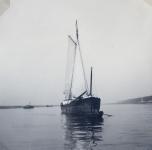
10.3 Kriegsmarine photoalbum Dordrecht.
10.4 Kriegsmarine photoalbum Dordrecht.
10.5 Kriegsmarine photoalbum Dordrecht.
10.6 Kriegsmarine photoalbum Dordrecht.
11 Kriegsmarine photoalbum Dordrecht.
11.1 Kriegsmarine fotoalbum Dordrecht.
11.2 Kriegsmarine fotoalbum Dordrecht.
11.3 Kriegsmarine photoalbum Dordrecht.
11.4 Kriegsmarine photoalbum Dordrecht.
11.5 Kriegsmarine photoalbum Dordrecht.
11.6 Kriegsmarine fotoalbum Dordrecht.
12 Kriegsmarine fotoalbum Dordrecht.
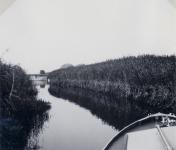
12.1 Kriegsmarine photoalbum Dordrecht.
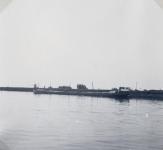
12.2 Kriegsmarine photoalbum Dordrecht.
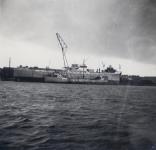
12.3 Kriegsmarine photoalbum Dordrecht.
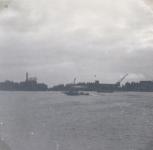
12.4 Kriegsmarine photoalbum Dordrecht.
12.5 Kriegsmarine photoalbum Dordrecht.
12.6 Kriegsmarine photoalbum Dordrecht.
13 Kriegsmarine photoalbum Dordrecht.
13.1 Kriegsmarine photoalbum Dordrecht.
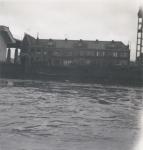
13.2 Kriegsmarine photoalbum Dordrecht.
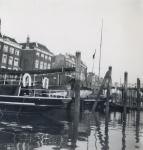
13.3 Kriegsmarine photoalbum Dordrecht.
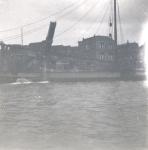
13.4 Kriegsmarine photoalbum Dordrecht.
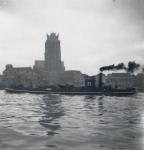
13.5 Kriegsmarine photoalbum Dordrecht.
13.6 Kriegsmarine photoalbum Dordrecht.
14 Kriegsmarine photoalbum Dordrecht.
14.1 Kriegsmarine photoalbum Dordrecht.
14.2 Kriegsmarine photoalbum Dordrecht.
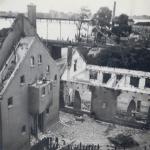
14.3 Kriegsmarine photoalbum Dordrecht.
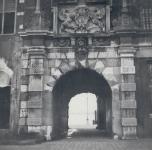
14.4 Kriegsmarine photoalbum Dordrecht.
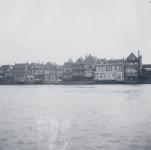
14.5 Kriegsmarine photoalbum Dordrecht.
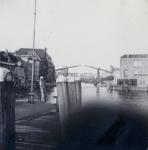
14.6 Kriegsmarine photoalbum Dordrecht.
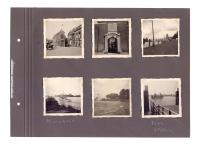
15 Kriegsmarine photoalbum Dordrecht.
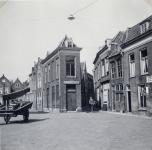
15.1 Kriegsmarine photoalbum Dordrecht.
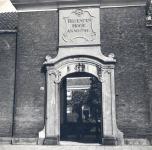
15.2 Kriegsmarine photoalbum Dordrecht.
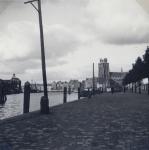
15.3 Kriegsmarine photoalbum Dordrecht.
15.4 Kriegsmarine photoalbum Dordrecht.
15.5 Kriegsmarine photoalbum Dordrecht.
15.6 Kriegsmarine photoalbum Dordrecht.
Source: www.lexikon-der-wehrmacht.de ↩︎
Source: www.wikiwand.com/AbrahamvanHulst ↩︎
Source: www.marhisdata.nl/IreneHolland ↩︎
Source: www.maritiemdigitaal.nl/BatavierV ↩︎
Source: www.marhisdata.nl/BatavierIII ↩︎