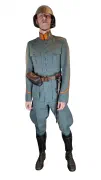
3. Uniform Army Maritime Engineers W. de Vries-Lentsch
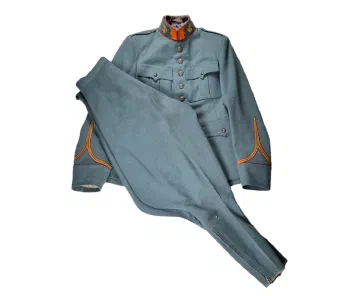
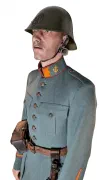
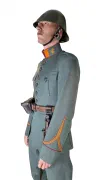
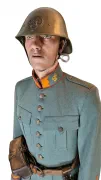
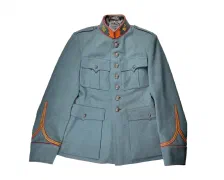
This is the uniform of Willem de Vries-Lentsch. It is an uniform of the Corps of Pontonniers and Torpedists. (Army Maritime Engeneers) Intended for a sergeant at the School for Reserve Officers (SRO). The uniform has red piping on the collar and sleeves, and embroidered emblems of a fouled anchor on the collar. The orange SRO collar patches are also visible on the uniform. On the sleeves, so-called banana peels are applied. These are rank insignia for the rank of sergeant. The uniform is named after W. de Vries-Lentsch.
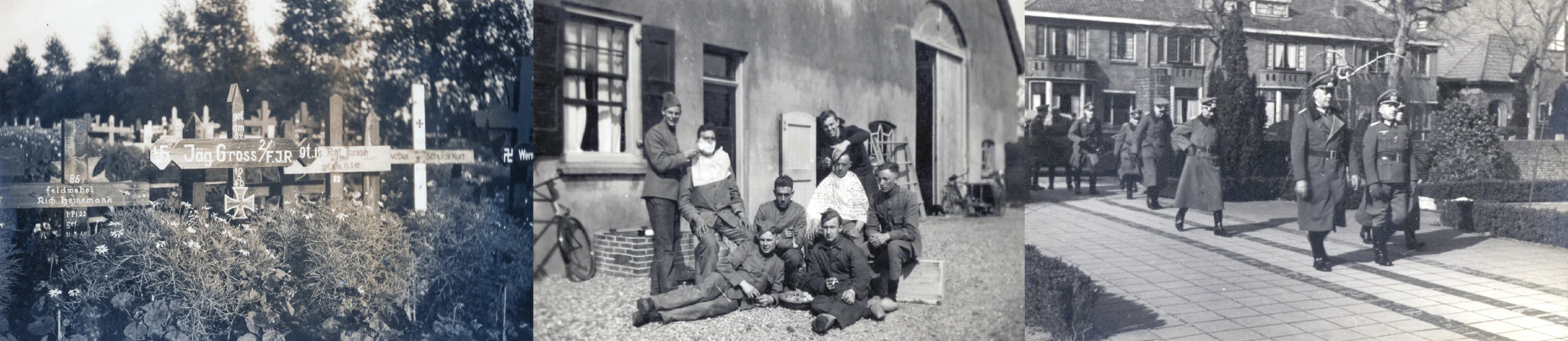
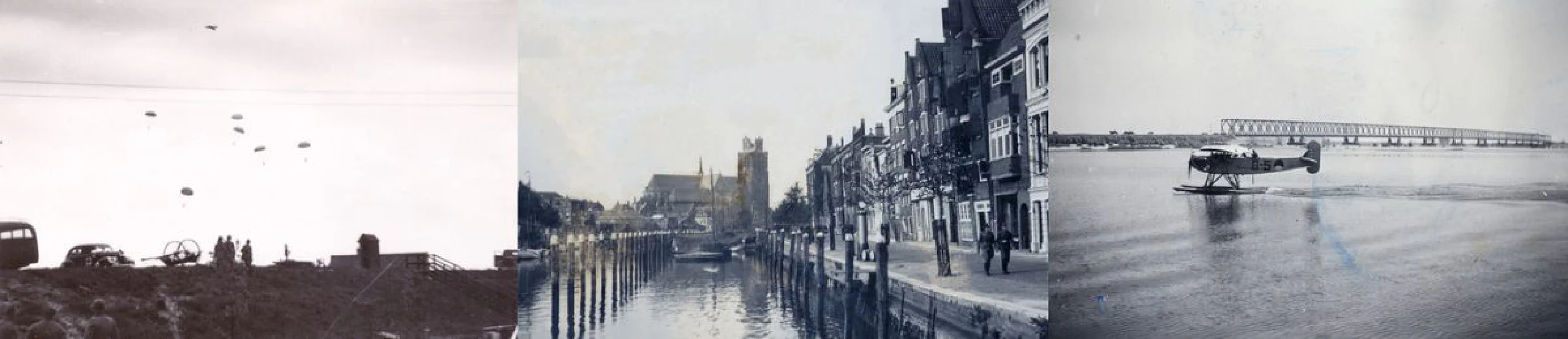
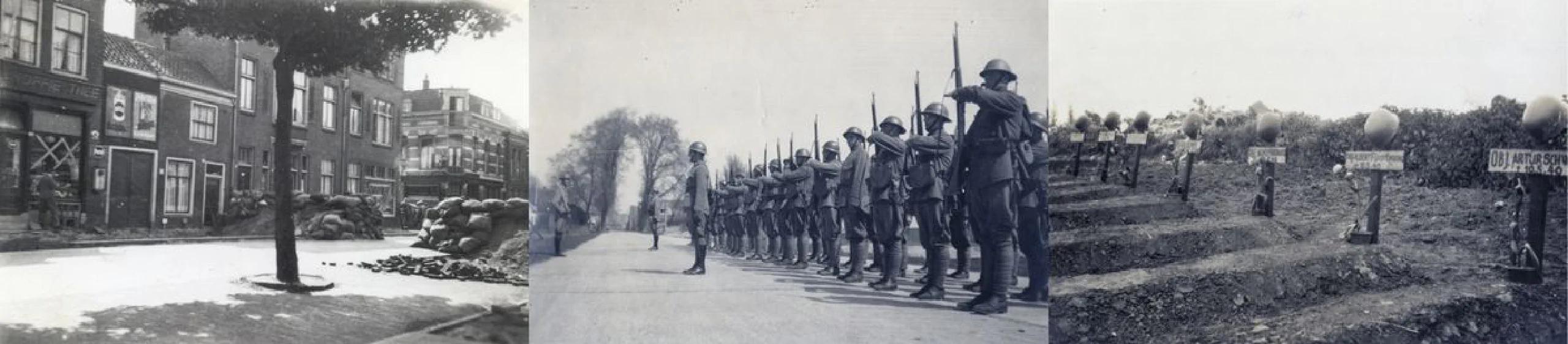
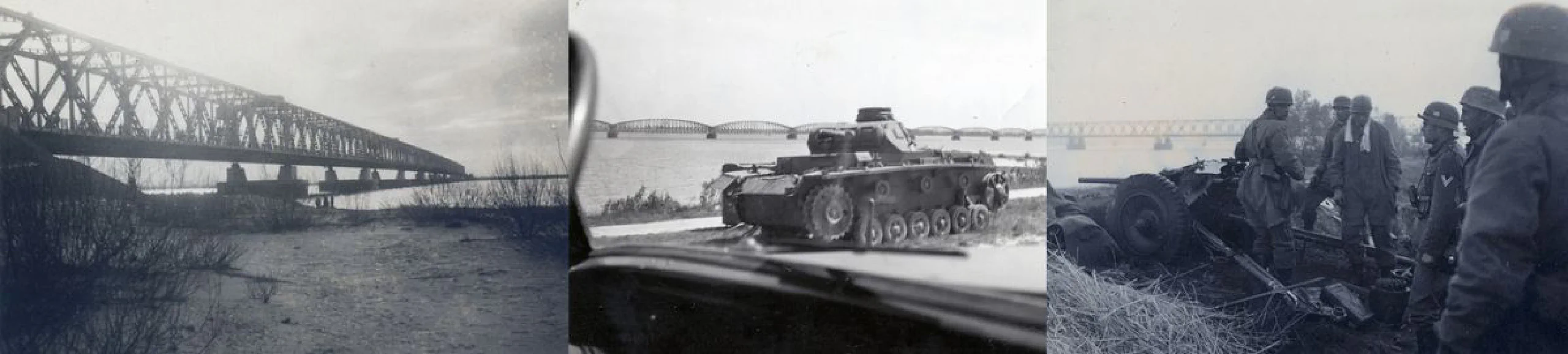
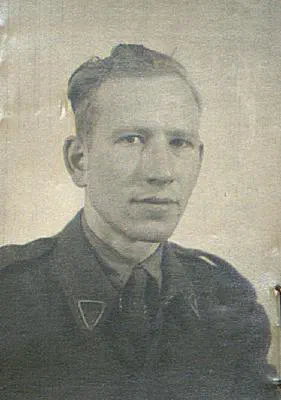
Willem de Vries-Lentsch (Jr) was born on May 31, 1919, in Nieuwendam. He was the son of Willem de Vries-Lentsch (Sr) and Elizabeth Schreuder. Willem came from a family of renowned boat builders. His father also won a bronze medal in the “Star” class at the 1936 Olympic Games in Berlin. Willem himself would compete in the 1948 Olympic Games. On September 18, 1939, Willem was called up as a conscript from the 1939 draft from Amsterdam. He was assigned to the Corps of Pontonniers and Torpedists, where he began training as a reserve officer. On December 2, 1939, Willem was promoted to corporal, and on March 2, 1940, to titular sergeant. Sergeant de Vries-Lentsch served during the mobilization in Dordrecht. He was assigned to the 3rd Depot Company of Pontonniers, stationed at the Benthien Barracks. On May 10, 1940, around 4:00 AM, the soldiers at the Benthien Barracks were awakened by fire from the anti-aircraft machine gun platoons at the Zwijndrecht bridges. Shortly thereafter, the first German paratroopers would land, and the first battles would break out in the city. Around 6:00 AM, Sergeant de Vries-Lentsch was assigned to a group of pontonniers under the command of Lieutenant Over. The group consisted of four sergeants: J. Wiesman, G.D. Hoeksema, Q. Groenwegen, and W. de Vries-Lentsch.
There were also about 7 to 8 soldiers assigned to the group, and the truck was driven by Pontonnier Lijn Nijenkamp. The group was tasked with reinforcing the bridge guard, and while Lieutenant Over sat next to the driver, the rest sat in the truck bed at the back. Although the distance to the bridges was not far as the crow flies, the truck had to detour via the Spuitunnel under the railway and the Vlietweg due to the length and location of the bridge ramp. Things went wrong at the Marnixstraat when the truck turned into the street. When one of the tires was shot flat, the truck tipped over, causing the men to be thrown out. Miraculously, only one soldier was injured: Private Koole, who later died in the hospital. The soldiers had their bayonets fixed to their weapons and landed on top of each other when the truck tipped over. It was a stroke of luck that no one else was injured.
Meanwhile, the group, seeking as much cover as possible, moved into Marninxstraat towards the Vlietweg. There, they again encountered German paratroopers. On the Vlietweg, houses were being built, and the Pontonniers spread out in the houses under construction. Lieutenant Over took cover in a tall sewer pipe but was soon hit and died within minutes from his injuries. Conscripted private Develing was also killed, and conscripts Bruins and Van Ham were wounded. Suddenly, three Germans stood behind Sergeant de Vries-Lentsch, shouting for him to drop his carbine. There was nothing left to do but surrender. Sergeants Wiesman, Groenewegen, and several soldiers were taken along with de Vries-Lentsch to the Zwijndrecht bridges, while the wounded and dead were left behind. There, they joined the captured soldiers of the two anti-aircraft machine gun platoons.Soon, the prisoners were moved to Zwijndrecht, where they were forced to build breastworks and dig trenches to control the road to Rotterdam.
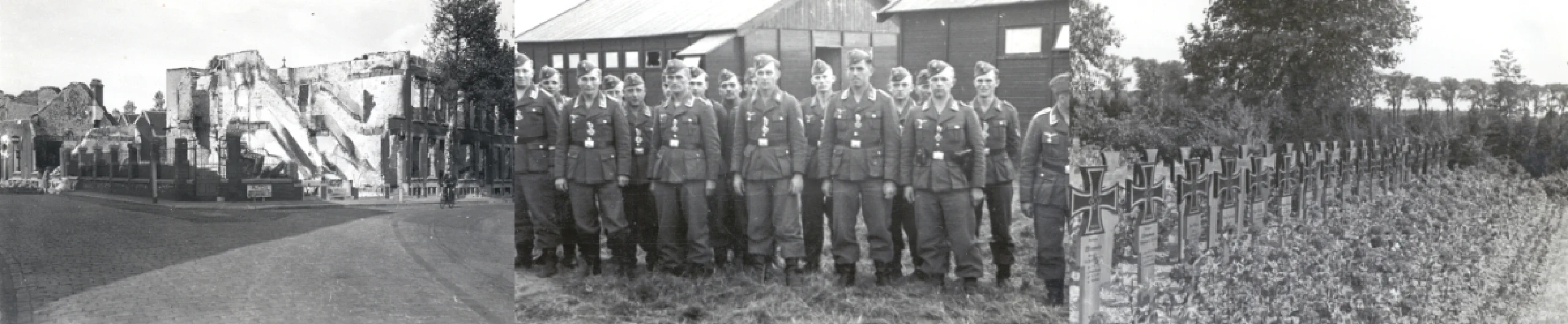
On the afternoon of May 10, 1940, Willem de Vries-Lentsch and the other prisoners were moved to the Christian school on the Admiraal de Ruyterweg. The prisoners of war were housed on the upper floor of the school, while the Germans occupied the ground floor and set up some rooms as a dressing station. On the afternoon of May 11, 1940, German reinforcements arrived at the school and moved towards Moerdijk via the Rijksweg. They forced the Dutch prisoners of war to walk in front and jumped out when they encountered Dutch posts. As a result, Dutch soldiers were repeatedly captured because there was nothing they could do about it. Meanwhile, many prisoners of war were wounded, unable to move, and caught in the crossfire. After the Germans repeated this tactic several times, they returned to the school with prisoners. The next day, on May 13, the school was shelled by Dutch artillery fire. Many were seriously wounded, including civilians, and there were several fatalities. The following day, Willem de Vries-Lentsch and other prisoners of war had to bury the dead. There were ten Dutch and ten Germans.
On May 14, the white flag waved on the tower of the Grote Kerk in Dordrecht. The battle in Dordrecht was over. The Dutch army had retreated to Papendrecht. The prisoners of war from the school were marched towards Rijsoord. In Barendrecht, they were joined by other prisoners, where they stayed until May 17. After that, they returned to Dordrecht. Here, Willem de Vries-Lentsch rejoined the other Pontonniers at the Benthien Barracks. He stayed there until June 11, when he went on extended leave.
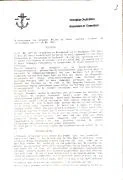
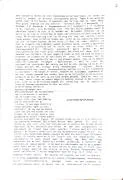
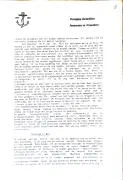
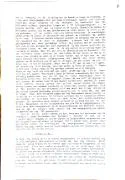
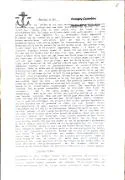
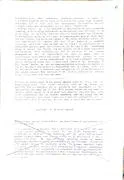
In the report of the May days of 1940, you can read more about the experiences of Willem de Vries-Lentsch during the first days of the war. Sadly it’s written in Dutch but we have added it anyway.
The uniform of Willem de Vries-Lentsch
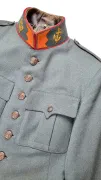
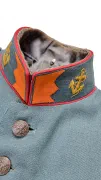

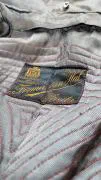
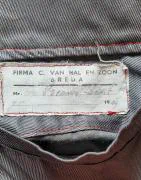


The uniform on a mannequin